
Imagine stepping into the shower on a cold Staten Island morning, only to be hit with freezing water. For many homeowners, a failing water heater seems to break down overnight. In reality, most systems show warning signs long before they stop working completely.
Catching those signs early can help you avoid emergency repairs, water damage, and costly system replacements. At Bob Mims Heating & Air Conditioning, we help Staten Island homeowners protect their comfort by spotting water heater problems before they escalate. As a company that’s served Staten Island’s comfort needs since 1950, we put quality above all else, and we know exactly what to look for when hot water starts to disappear.
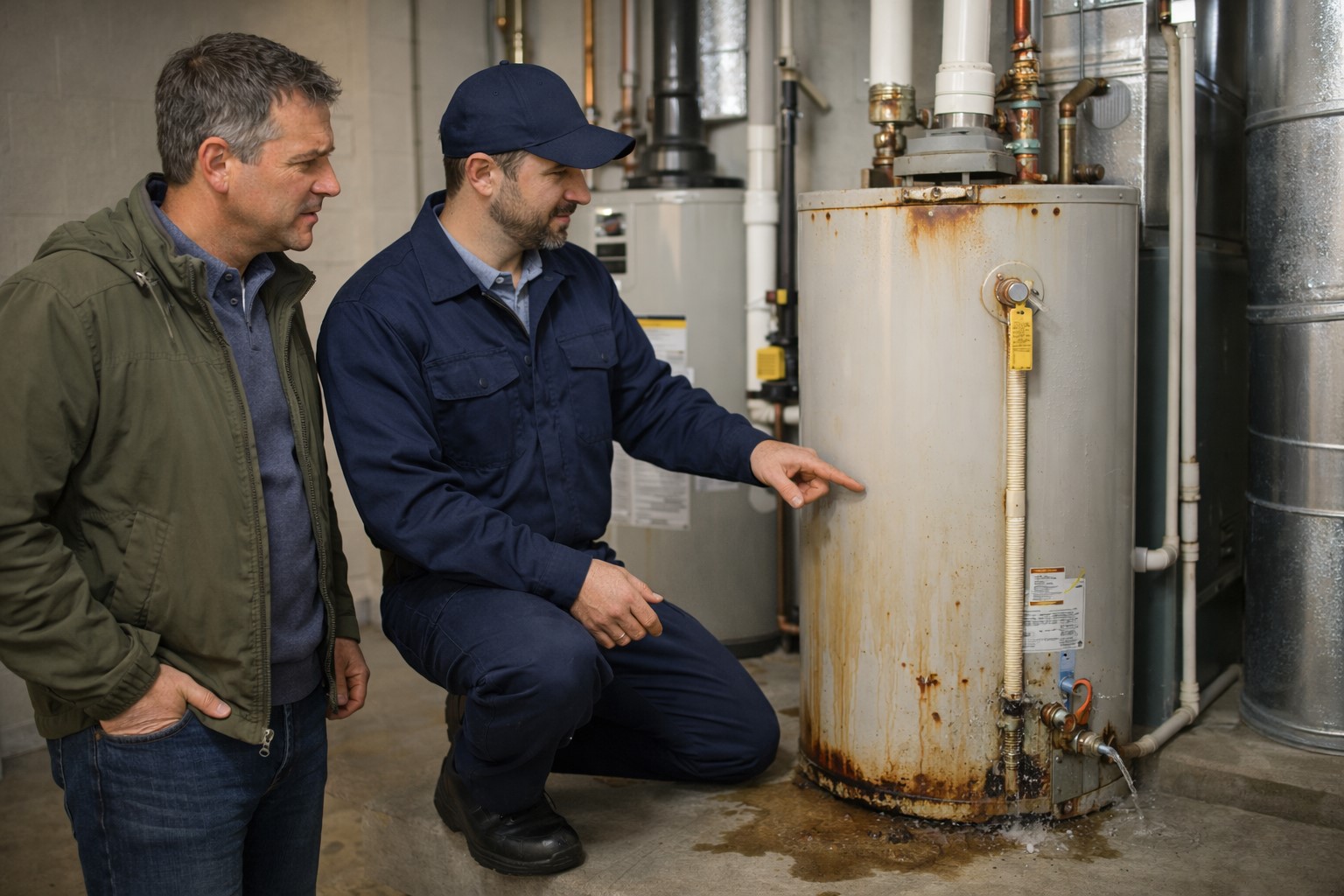
Signs Your Water Heater Needs Service
A water heater rarely fails without warning. Knowing what to watch for can help you catch small issues early, protect your home from avoidable damage, and keep your hot water dependable when your family needs it most.
Strange Noises Coming From the Tank
Water heaters typically run quietly, so popping, banging, or rumbling sounds are worth paying attention to. These noises often point to sediment buildup inside the tank. Over time, minerals and debris settle at the bottom and harden, trapping heat and forcing the system to work harder than it should. The result is lower efficiency, more stress on internal components, and a shortened lifespan. A professional flush and inspection can remove buildup and restore proper operation, but if you ignore the noise too long, you may end up dealing with overheating, rising energy costs, and premature failure.
Inconsistent or Insufficient Hot Water
If your water temperature swings from hot to lukewarm, or you’re running out of hot water faster than usual, your water heater may be struggling. Inconsistent hot water is commonly tied to a faulty thermostat, worn heating elements, sediment buildup, or a tank that no longer matches your household’s hot water demand. Addressing the issue early can bring back consistent comfort and help prevent a full breakdown.
Rusty or Discolored Hot Water
Brown, reddish, or cloudy water from the hot tap can be a sign of corrosion inside the tank. Most water heaters use a sacrificial anode rod designed to slow rust, but when that rod wears down, the tank can begin to corrode. Left unchecked, corrosion weakens the tank and can lead to leaks, or complete failure. A professional inspection can confirm whether the anode rod is the culprit or if the tank itself is deteriorating, so you can make a smart next step before the damage becomes costly.
Water Leaks Around the Unit
Even a small puddle around the base of your water heater should never be dismissed. Leaks can come from loose pipe connections, a malfunctioning temperature/pressure relief valve, or damage inside the tank itself. Some problems are minor fixes, while others signal serious internal failure that can lead to flooding and water damage. Prompt service helps identify the source, protect your home, and prevent further deterioration.
Rising Energy Bills
If your utility costs jump without another obvious cause, your water heater may be losing efficiency. When sediment builds up or components wear out, the system has to work harder to heat water, which uses more energy and adds wear and tear. A thorough inspection and maintenance visit can restore efficiency and help keep monthly energy expenses in check.
What to Do If You Notice These Signs
If your water heater is showing warning signs, acting quickly can prevent bigger problems. Issues like inconsistent temperatures, strange noises, or minor leaks can develop into larger, and more expensive, repairs when they’re ignored.
Step-by-Step Troubleshooting Checklist
Use this quick checklist to help identify common trouble spots:
- Check the thermostat setting , ensure it’s set between 120°F–140°F.
- Inspect for visible leaks , look around the base of the tank and nearby pipes.
- Listen for unusual noises , rumbling or popping often indicates sediment buildup.
- Check water color and odor , rusty or foul-smelling water can suggest internal issues.
- Monitor hot water supply , if hot water runs out quickly, your heater may need repair.
When to Call a Professional
Reach out to a water heater specialist right away if you notice:
- Persistent leaks
- Electrical or burning smells
- No hot water at all
- Loud or worsening noises
Delaying repairs can lead to complete system failure and potential water damage.
How Regular Maintenance Prevents Expensive Repairs
Routine maintenance helps your water heater run efficiently and safely. During a professional maintenance visit, technicians typically flush sediment from the tank, inspect heating elements and valves, check for corrosion or leaks, and confirm the system is operating at peak efficiency. These steps reduce energy waste, improve performance, and help extend the life of your unit. In general, traditional tank water heaters last 8–12 years, while tankless systems can last up to 20 years with proper care. Takeaway: Booking regular service is one of the most effective ways to avoid unexpected breakdowns and protect long-term comfort.
Pro Tip: Prevent Water Heater Efficiency Problems
Sediment buildup is one of the most common reasons water heaters lose efficiency and overheat. Minerals settle at the bottom of the tank and create a barrier between the heat source and the water, forcing the system to work harder. For safety, annual flushing and internal servicing should be handled by a qualified professional, especially for gas units or older systems. Proper maintenance removes buildup, improves performance, and helps your water heater last longer.
FAQs About Water Heater Service in Staten Island
Question: How much does water heater repair cost in Staten Island?
Answer: Repair costs vary depending on the problem and the parts that need to be replaced. Common repairs include thermostat replacement, heating element repairs, or flushing sediment from the tank.
Question: How often should I service my water heater?
Answer: Most water heaters should be professionally serviced once per year. Annual maintenance helps keep the system efficient and reduces the risk of unexpected breakdowns.
Question: Should I repair or replace my water heater?
Answer: The decision depends on the age and condition of your system. If the unit is more than 10 years old and requires frequent repairs, replacement may be the more cost-effective option.
Question: What is the lifespan of a water heater?
Answer: Traditional tank water heaters typically last between 8 and 12 years. Tankless water heaters can last up to 20 years when they receive proper maintenance and care.
Question: Is rusty water always caused by the water heater?
Answer: Rusty or discolored water does not always mean the water heater is failing. However, if the discoloration only appears when using hot water, the water heater is likely the source.
Need Help Restoring Reliable Hot Water?
If you’re noticing any of the warning signs above, don’t wait for a full breakdown. Contact Bob Mims Heating & Air Conditioning to schedule water heater service in Staten Island and nearby communities, our team is here to help you get back to comfortable living with service you can trust.
Still have questions about your hot water system? Contact Bob Mims Heating & Air Conditioning for expert water heater service in Staten Island and nearby communities.