
Older homes offer charm, history, and architectural details that many homeowners love. At the same time, they often come with heating challenges that newer homes were not built to face. Drafty rooms, uneven temperatures, aging infrastructure, and outdated equipment can all make winter comfort harder to maintain.
If your Staten Island home has cold spots, aging ductwork, an older boiler or furnace, or rooms that never seem to warm up properly, installing a new heating system is not as simple as swapping one unit for another. Older homes usually need a more thoughtful plan so the new system works with the home’s layout, insulation levels, existing heat distribution, and long-term comfort needs.
At Bob Mims Heating & Air Conditioning, homeowners in Staten Island turn to experienced HVAC professionals for heating solutions built around comfort, efficiency, and long-term reliability. Serving Staten Island since 1950, Bob Mims brings long-standing HVAC experience and old-school craftsmanship to home comfort solutions. A properly planned installation can help an older home feel more balanced, dependable, and comfortable through the coldest months of the year.
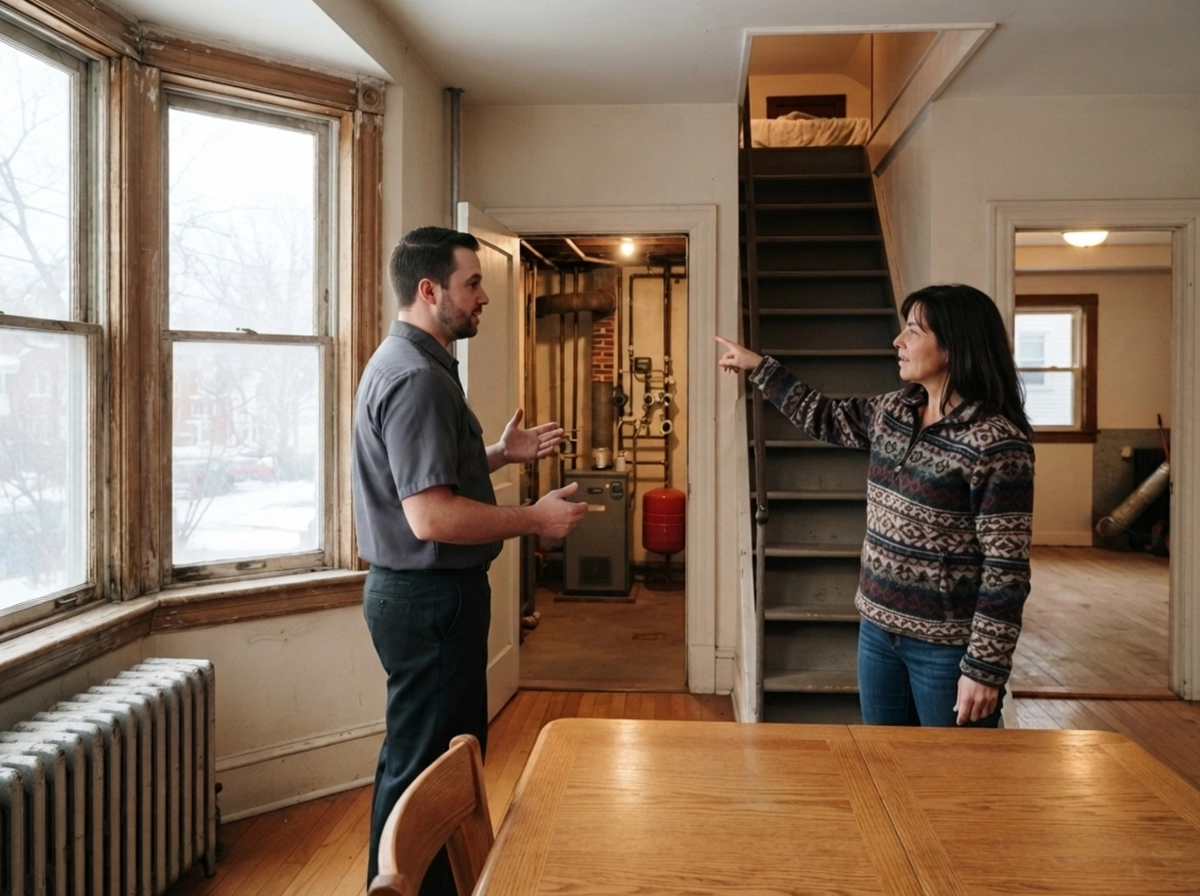
Why Heating Installation Is Different in Older Homes
Many older homes were built long before modern HVAC design standards became common. That means the home may have limited space for ductwork, outdated venting, uneven insulation, air leaks, or a layout that makes heat distribution more difficult. In some homes, additions, finished attics, and renovated basements may also have changed the way heat needs to move through the property.
That matters because a new heating system can only perform as well as the installation plan behind it. If the system is too large, too small, or poorly matched to the home, you may still end up with cold rooms, short cycling, rising utility bills, and ongoing comfort complaints. Simply replacing old equipment with a similar model does not always solve the real problem.
Older homes also tend to have more variables that affect heating performance. Existing radiators, older duct systems, baseboard heat, insulation gaps, and space limitations can all influence what type of system makes the most sense. A professional installation plan should account for those details before a recommendation is made.
In Staten Island, older housing stock adds another layer to the decision. Homes with additions, finished basements, attic spaces, or aging duct systems may need more than a basic equipment replacement to heat the home effectively. Those challenges often show up as comfort, efficiency, and reliability problems long before homeowners realize the installation approach itself may need to change.
Signs Your Older Home May Need a New Heating System
Many homeowners wait until the heat stops working completely before thinking about replacement. In reality, most systems show warning signs first. Paying attention to those signs can help you avoid an emergency installation during the coldest part of winter and give you more time to choose the right long-term solution.
Uneven Heat from Room to Room
If one room feels comfortable while another stays chilly, the issue may be more than thermostat settings. Older homes often develop airflow problems, insulation gaps, or heating system limitations that make even heat harder to maintain. Over time, those inconsistencies can turn everyday living spaces into areas that feel difficult to use comfortably during winter.
Your System Runs Constantly
A heating system that runs for long periods without warming the home properly may be undersized, losing heat through the home’s envelope, or struggling against duct and airflow limitations. That kind of strain can increase operating costs and wear out components faster. Even if the system eventually reaches the set temperature, it may be doing so inefficiently and with more stress than it should.
Repairs Are Becoming More Frequent
When repair visits become a regular part of winter, replacement often becomes the better long-term choice. A new installation can help reduce the risk of breakdowns and help restore more dependable comfort during the coldest months. Rather than continuing to invest in an aging system with uncertain performance, many homeowners decide it makes more sense to install equipment they can count on.
Your Energy Bills Keep Rising
An older heating system may consume more energy without delivering better comfort. If utility costs keep climbing while your home still feels drafty or inconsistent, your system may be inefficient, outdated, or improperly matched to the house. In older homes, this problem is often made worse by insulation issues or heat loss through outdated building materials.
The Home Still Feels Drafty and Uncomfortable
Sometimes the equipment is only part of the problem. Older windows, air leaks, inadequate insulation, and aging ductwork can all reduce how effective your heating system feels. That is why installation planning for older homes should look at the whole home, not just the unit being replaced. When the home and the heating system are evaluated together, it becomes much easier to choose an option that improves comfort in a meaningful way.
Best Heating System Options for Older Homes
The right heating system depends on the home’s structure, existing infrastructure, comfort goals, and budget. A professional evaluation helps determine which option fits the house best. For some homes, the best approach may be keeping the same general heating method with better equipment. For others, a different setup may provide better performance and flexibility.
Boilers
For older homes that already use hydronic or radiator-based heat, boilers often remain a strong fit. They can provide steady, comfortable warmth and may work well when the home’s existing distribution system is still in good condition or can be improved as part of the installation plan. For homeowners who value quiet, even heat, boilers often remain a practical choice.
Furnaces
For homes with workable ductwork, or for homes where duct upgrades are part of the plan, a furnace may be a practical option. Furnaces can provide strong heating performance and may make sense for homes that already rely on forced-air distribution. In the right home, a furnace installation can also create opportunities to improve airflow and room-to-room comfort.
Heat Pumps
For homeowners looking for a more flexible system that can support both heating and cooling, heat pumps can be an efficient solution in some older homes. They work best when paired with the right design and installation plan. In homes that support this option well, a heat pump may provide a more modern approach to year-round comfort.
Ductless Systems
For additions, older homes, or rooms where traditional ducted systems are difficult to install, ductless systems can be especially useful. They can also help solve comfort issues in areas that stay colder than the rest of the home. For homeowners who need targeted heating without major ductwork changes, ductless systems can be a strong option.
What to Check Before Installing a New Heating System
Before choosing equipment, make sure the home itself is part of the conversation with a qualified HVAC professional. Older homes often need a broader evaluation so the new system is chosen around current conditions rather than assumptions based on the old equipment.
Check Insulation and Air Leaks
Older homes often lose heat through gaps around windows, doors, attics, and other weak points. If those issues are severe, the heating system may have to work harder than necessary, and system sizing may be affected. Addressing insulation and air leakage problems with the right professional guidance can improve comfort and may help the new system perform more efficiently.
Review the Existing Heat Distribution
Find out whether your home uses radiators, baseboards, ductwork, or a mix of systems. The best replacement option often depends on what is already in place and whether it makes sense to preserve, update, or reconfigure it.
Understanding how heat currently moves through the home is an important step toward choosing the right installation strategy. A professional can help evaluate whether the existing distribution system is safe and suitable for the new equipment.
Ask About Sizing
Do not assume the old system was sized correctly. A system installed decades ago may have been oversized, undersized, or chosen around conditions that have changed since then. Asking about heating load calculations and home-specific sizing can help prevent the same performance issues from carrying over into the new installation.
Confirm Venting, Electrical, and Space Requirements
Older homes may have venting limitations, tight mechanical spaces, or outdated electrical infrastructure that affects installation choices. These physical constraints can influence which systems are practical and how involved the installation process will be.
Because venting, combustion safety, gas connections, and electrical work can create serious hazards if handled incorrectly, these requirements should always be reviewed by qualified HVAC, plumbing, or electrical professionals before installation begins.
Review the Full Scope of Work
A complete proposal should explain the recommended system, any changes to ductwork or heat distribution, installation requirements, permits where applicable, and expected performance goals. Clear planning is especially important in older homes because hidden issues can affect both cost and comfort outcomes. The more complete the scope of work is, the easier it becomes to compare options with confidence.
Why Local Experience Matters in Staten Island
The heating system installation in Staten Island is not one-size-fits-all. Local homes vary widely in age, layout, insulation quality, and existing heating infrastructure. Some still rely on boiler-based systems, while others may be better candidates for furnaces, heat pumps, or ductless solutions. The right recommendation often depends on understanding both the equipment and the home itself.
That is why local experience matters. A contractor familiar with Staten Island homes is better positioned to spot issues like aging ductwork, awkward retrofits, older venting arrangements, and room-by-room comfort imbalances before installation begins. That kind of familiarity can lead to a more realistic plan and a better fit for the property.
In neighborhoods across Staten Island, including New Dorp, Westerleigh, West Brighton, Bulls Head, Tottenville, Great Kills, Annadale, Huguenot, and Eltingville, a more localized approach to installation can make a significant difference. Homes in these areas often vary in age, layout, and existing heating setup, which makes thoughtful planning especially important.
How a Better Installation Improves Year-Round Comfort
A properly planned heating installation does more than make winter more comfortable. It can also help reduce drafts, improve room-to-room temperature balance, lower strain on the equipment, and support better long-term efficiency. When the system is matched to the home correctly, comfort often feels more consistent and predictable throughout the heating season.
A better installation can also reduce the frustration that comes from constant thermostat adjustments, recurring service issues, and certain rooms that never seem to warm up. For older homes especially, those improvements can make everyday life feel much easier during colder weather.
For many homeowners, the biggest benefit is peace of mind. Instead of wondering whether the system will make it through another winter, you can move forward with a heating setup designed around the way your home actually works. That confidence can be just as valuable as the equipment itself.
Quick Homeowner Tip
Do not treat heating installation in an older home as a simple equipment swap. If your home has changed over the years, or if the original design never supported modern heating well, the replacement system should be planned around those realities by a qualified HVAC professional so you do not repeat the same comfort problems. A little more planning at the beginning can make the finished result far more comfortable and dependable.
FAQs About Heating System Installation for Older Homes
Question: What is the best heating system for an older home?
Answer: The best system depends on the home’s layout, existing infrastructure, insulation, and comfort goals. Boilers, furnaces, heat pumps, and ductless systems can all work well when they are matched to the home properly and installed with the property’s specific needs in mind.
Question: Can you install modern heating in an older home without major renovation?
Answer: Often, yes, but it depends on the house. Available space, ductwork limitations, and layout constraints affect how invasive the installation needs to be, so a professional evaluation is important before deciding on the right approach.
Question: Are ductless systems good for older homes?
Answer: They can be an excellent option in the right situation. Ductless systems often work well for additions, older homes, and areas with uneven temperatures because they can provide targeted comfort without depending on full traditional ductwork.
Question: Should I replace my old heating system before it fails completely?
Answer: In many cases, yes. Replacing it before total failure gives you more time to compare options, plan around the home’s needs, and avoid an emergency installation in cold weather. That usually leads to a less stressful and more informed decision.
Question: Why does system sizing matter so much in older homes?
Answer: Older homes often have drafts, insulation gaps, layout constraints, or distribution problems that affect heating demand. If the new system is not sized correctly, comfort and efficiency can both suffer, and the replacement may not solve the issues you were hoping to fix.
Question: Do older Staten Island homes need special heating installation planning?
Answer: Yes, many do. Older housing stock, mixed heating setups, additions, and aging infrastructure can all make professional planning more important before installation. That extra planning helps ensure the system fits the home instead of forcing the home to adapt to the system.
Choose a Heating System That Fits the Home
Older homes have character, but they also have unique heating demands that deserve a more thoughtful approach. The right heating installation can help an older Staten Island home feel warmer, more even, and more dependable through the winter. It can also help reduce energy waste and avoid the frustration of living with a system that was never truly right for the house.
Before replacing your heating system, make sure the installation plan reflects the home’s real needs, not just the age of the equipment being removed. The goal is not simply to restore heat. It is to create a more comfortable, efficient, and reliable living environment that works better for the way your home is actually built.
Do not wait for your heat to fail during the coldest stretch of winter. Schedule your heating installation consultation with Bob Mims Heating & Air Conditioning today.