Choosing a new heating and cooling system is a major decision for any homeowner. When equipment is outdated, unreliable, or no longer keeping the home comfortable, it can lead to rising utility bills, uneven temperatures, and the constant worry that the system may fail when you need it most. In many cases, those frustrations build gradually, long before the unit stops working completely.
That is why heating and cooling installation is about much more than replacing an old system with a new one. It is about selecting equipment that fits your home, supports your comfort goals, and performs reliably through Staten Island’s changing seasons. From humid summer weather to cold winter conditions, year-round comfort depends on proper sizing, careful planning, and professional installation that reflects how the home actually functions.
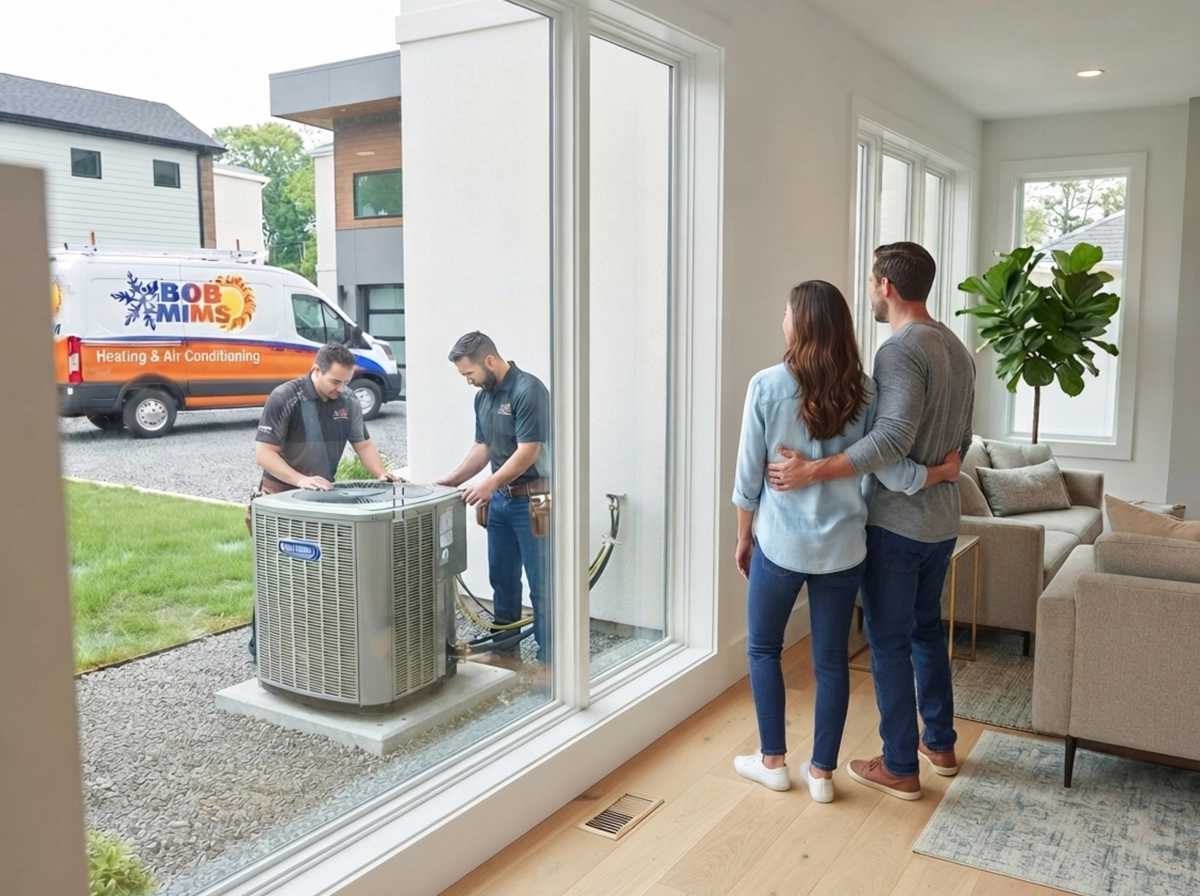
At Bob Mims Heating & Air Conditioning, homeowners in Staten Island count on experienced HVAC professionals for installation solutions designed around comfort, efficiency, and long-term performance. Whether you are replacing an aging system or planning a broader comfort upgrade, the right installation can make a meaningful difference in how your home feels every day. Bob Mims has served Staten Island since 1950, with a long-standing focus on quality HVAC solutions and home comfort.
Why Professional HVAC Installation Matters
A new heating and cooling system should do more than simply turn on and off. It should heat evenly in winter, cool effectively in summer, control humidity, support healthy airflow, and operate efficiently without placing unnecessary strain on major components. When everything is selected and installed correctly, the system should feel steady, dependable, and easier to live with in every season.
Many comfort problems are not caused by equipment age alone. They often start with poor installation decisions, incorrect sizing, airflow issues, or a failure to account for the home’s actual layout and condition. That is why installation quality matters just as much as the equipment itself.
When installation is rushed or based on guesswork, problems can begin much earlier than many homeowners expect. You may end up dealing with uneven temperatures, noisy operation, poor humidity control, short cycling, weak airflow, or higher utility costs. In some cases, the equipment itself may be high quality, but the installation still prevents it from performing the way it should.
A properly planned installation also helps protect your investment over time. Instead of solving one problem temporarily, it creates a stronger foundation for comfort, system life, and long-term efficiency. That is especially important for homeowners who want fewer surprises and more confidence in how their home will perform year-round.
Signs It May Be Time for a New Heating and Cooling System
Many homeowners wait until the system stops working completely before replacing it. In reality, the warning signs usually start much earlier. Paying attention to those signs can help you make a more thoughtful decision before you are forced into an emergency replacement during very hot or very cold weather.
Uneven Temperatures from Room to Room
If one room stays cold in winter while another feels stuffy in summer, your current system may not be sized properly or may no longer be distributing air effectively. In older Staten Island homes, layout changes, additions, and aging ductwork can make these comfort issues worse over time. What starts as a minor annoyance can eventually become a daily problem that affects how you use the home.
Rising Energy Bills Without Better Comfort
An older or inefficient HVAC system may run longer and work harder without improving indoor comfort. If your utility bills continue climbing while the house still feels too warm or too cold, replacement may be more cost-effective than ongoing repairs. Many homeowners are surprised by how much energy an aging system can waste while still underperforming.
Frequent Repairs and System Breakdowns
When repair calls start adding up, replacement often becomes the smarter long-term decision. A new installation can help reduce surprise breakdowns and improve reliability during peak summer and winter demand. Rather than continuing to put money into a system that may keep failing, many homeowners choose installation when repair costs and inconvenience become difficult to justify.
Poor Humidity Control in Summer
A properly installed cooling system should help remove moisture from the air, not just lower the temperature. If your home feels cool but still damp or clammy, your existing system may be oversized, aging, or poorly matched to the home. In Staten Island, where humidity can make indoor comfort harder to maintain, this issue can be especially frustrating during the summer.
Loud Operation or Short Cycling
A system that turns on and off too frequently or makes unusual noises may be struggling with age, airflow problems, or improper sizing. These issues can shorten equipment life and make comfort harder to maintain. Even if the system still technically works, those warning signs often point to deeper performance problems that should not be ignored.
What to Expect from a Quality Heating and Cooling Installation
The best installations begin with the home, not the equipment catalog. A professional HVAC contractor should evaluate how your home actually performs before recommending a system. That means looking beyond the old equipment and asking what the home needs now, not what it may have needed years ago.
A quality installation process often includes reviewing the home’s square footage and layout, insulation levels, window size and sun exposure, existing ductwork condition, airflow requirements, hot and cold spots, household comfort preferences, and whether the home has additions, finished basements, or upper-floor comfort issues. All of those factors influence how well a new system will perform once it is installed.
This matters because Staten Island homes are not all built the same way. A system that works well in one home may be the wrong fit for another, especially when insulation, duct condition, room usage, or layout differs. Taking the time to understand those conditions can help prevent the same comfort problems from carrying over into the new system.
A better installation plan also gives homeowners more clarity before work begins. Instead of feeling rushed into a recommendation, you can better understand why a certain system is being suggested, what improvements may be needed, and how the installation is expected to improve comfort throughout the year.
Choosing the Right System for Year-Round Comfort
The best system for your home depends on your layout, comfort goals, budget, and whether you need to replace one component or upgrade the entire system. There is no one-size-fits-all answer, which is why system selection should always be tied to how the home is used and what comfort problems you are trying to solve.
Central Air and Heating Systems
For homeowners who want whole-home comfort through existing ductwork, a central HVAC system often remains a practical solution. When properly installed, it can provide balanced heating and cooling across multiple rooms while supporting consistent airflow and reliable day-to-day performance.
Heat Pumps for Heating and Cooling
For homeowners who want one system that can handle both heating and cooling, a heat pump can be an appealing option. In the right home, a professionally installed heat pump can provide dependable year-round performance, improved efficiency, and a more streamlined comfort setup.
Ductless Options for Additions and Problem Areas
For older homes, additions, finished spaces, or rooms that are hard to keep comfortable, ductless systems can offer a more targeted solution. They may work especially well in areas without easy duct access or in parts of the home where traditional systems have struggled to deliver even comfort.
What to Do Before You Install a New HVAC System
Before moving forward with a new heating and cooling installation, make sure the project is being planned correctly with a qualified HVAC professional. A little extra preparation at this stage can help prevent disappointment later and make it easier to choose a system with confidence.
Check the Ductwork First
If the ducts are leaking, undersized, or poorly insulated, even a high-quality new system may not perform the way it should. Duct issues can affect airflow, comfort, and efficiency in every season. In many homes, ductwork problems are part of the reason the old system struggled in the first place.
A trained HVAC professional should inspect ductwork condition, airflow, sealing, insulation, and sizing before recommending a replacement system.
Review Insulation and Air Leaks
Poor insulation and air leakage increase heating and cooling demand. In some cases, improving the home’s envelope can affect the type or size of system you need. Addressing those issues with the right professional guidance may help the new system perform better while also making the home more comfortable overall.
Ask About Sizing and Load Calculations
Your old system may have been oversized or undersized from the start. A proper installation should be based on current home conditions, not just the nameplate size of the old unit. Asking about sizing methods and load calculations can help you avoid repeating the same comfort and efficiency problems with the replacement system.
Understand Efficiency Options
Higher-efficiency systems may lower energy use, but they need to be properly selected and installed to deliver the expected benefits. Variable-speed systems and modern heat pump options may offer better comfort control in some homes. Understanding those differences can help you choose a system that fits both your budget and your expectations for long-term performance.
Review the Full Scope of Work
A clear proposal should explain the recommended system, installation approach, any needed duct or airflow adjustments, thermostat options, permits where applicable, and warranty details. It should also help you understand what is included in the project and what improvements are being made to support better performance. A complete scope of work makes it easier to compare options and avoid surprises once installation begins.
Why Local Experience Matters in Staten Island
Heating and cooling installation in Staten Island comes with local challenges that should not be overlooked. Humid summers, cold winter weather, coastal exposure, older homes, finished attics or basements, and additions can all affect system performance and sizing decisions. Those conditions can change what works best from one property to the next.
That is why local knowledge matters. An installer who understands Staten Island housing and seasonal demand is more likely to recommend a system that actually fits the home instead of relying on rough estimates. This can be especially important in neighborhoods where homes vary widely in age, insulation quality, floor plan, and duct configuration.
For homeowners across Staten Island, including areas such as Tottenville, Great Kills, Annadale, Huguenot, Eltingville, New Dorp, and Westerleigh, working with a contractor who understands the local housing stock can make the installation process feel more tailored and practical from the start.
A Better Installation Helps Prevent Future Problems
A new HVAC system is a major investment, so homeowners should think beyond the day of installation. The goal is not just replacing old equipment. The goal is reducing future problems, improving daily comfort, and making the system easier to maintain over time.
When the system is chosen carefully and installed correctly, it can improve indoor comfort in every season, reduce hot and cold spots, support better humidity control, lower strain on major components, reduce the risk of emergency breakdowns, and improve long-term energy efficiency. Those benefits do not come from the equipment alone. They come from matching the system to the home and installing it with attention to the details that affect real-world performance.
A better installation can also reduce the frustration that comes with constant thermostat adjustments, recurring service calls, and uneven results from room to room. For many homeowners, that peace of mind is one of the biggest advantages of replacing an outdated or poorly performing system with a properly planned installation.
Quick Homeowner Tip
A heating and cooling installation should never be treated as a simple equipment swap. If the home’s layout, insulation, or ductwork has changed over the years, your replacement system should be planned around those changes by a qualified HVAC professional so you get better comfort instead of repeating the same problems. The more carefully the installation is tailored to the home, the more likely it is to deliver the dependable, year-round comfort you are looking for.
FAQs About Heating and Cooling Installation in Staten Island
Question: How do I know if I need a new heating and cooling system?
Answer: If your current system needs frequent repairs, struggles to keep temperatures even, or causes rising energy bills, it may be time to consider replacement. A professional evaluation can help determine whether installation makes more sense than continued repair and can also identify the comfort problems that a new system should solve.
Question: What type of system is best for year-round comfort?
Answer: That depends on the home and your comfort goals. Central systems, heat pumps, and ductless solutions can all work well when they are properly matched to the property and installed correctly, so the best choice is usually the one that fits your home’s layout and year-round comfort needs.
Question: Can a heat pump really handle both heating and cooling?
Answer: Yes, heat pumps are designed to provide both heating and cooling. They can be a practical option for homeowners who want one system that supports comfort in every season, especially when the equipment is chosen carefully and installed with the home’s needs in mind.
Question: Why does ductwork matter during installation?
Answer: Ductwork affects airflow, efficiency, and comfort throughout the home. If the ducts are leaking or undersized, even a new system may not deliver the performance you expect, which is why duct condition should be part of the installation plan from the beginning.
Question: Is HVAC installation different for older Staten Island homes?
Answer: Often, yes. Older homes may have insulation gaps, layout challenges, additions, or duct limitations that make professional planning especially important before installing new equipment. Those details can influence both system choice and long-term performance.
Question: Should I replace heating and cooling equipment before it fails completely?
Answer: In many cases, yes. Replacing a system before total failure gives you more time to compare options, plan the project carefully, and avoid an emergency during extreme weather. That often leads to a less stressful and more informed decision.
Get Ready for More Reliable Comfort All Year Long
The right heating and cooling installation can make your home feel more comfortable in every season while helping you avoid the stress of emergency breakdowns, uneven temperatures, and wasted energy. It can also give you more confidence that your home will stay comfortable when outdoor conditions become more demanding.
For homeowners in Staten Island, that means choosing a system based on the home’s real needs, not guesswork. It also means working with a contractor who understands local conditions, older homes, and the importance of getting installation right the first time. A carefully planned installation today can support better comfort, reliability, and value for years to come.
Do not wait for your system to fail on the hottest or coldest day of the year. Schedule your heating and cooling installation consultation with Bob Mims Heating & Air Conditioning today.